Chiang Mai: A Vibrant Learning City
“Chiang Mai has a naturally rich learning environment. Beyond museums and learning centers, communities across the city share knowledge as part of daily life, creating a thriving learning ecosystem,”
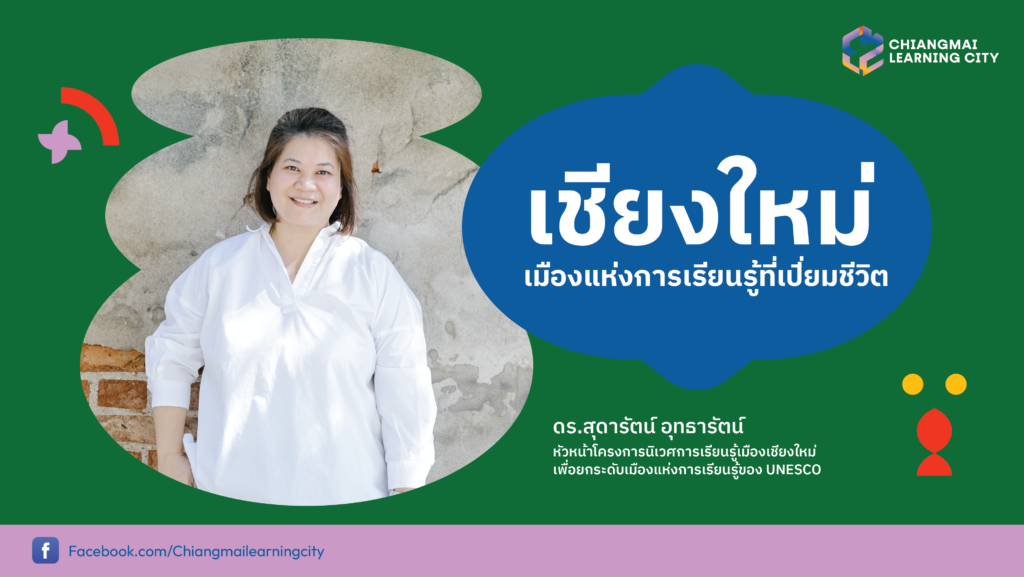
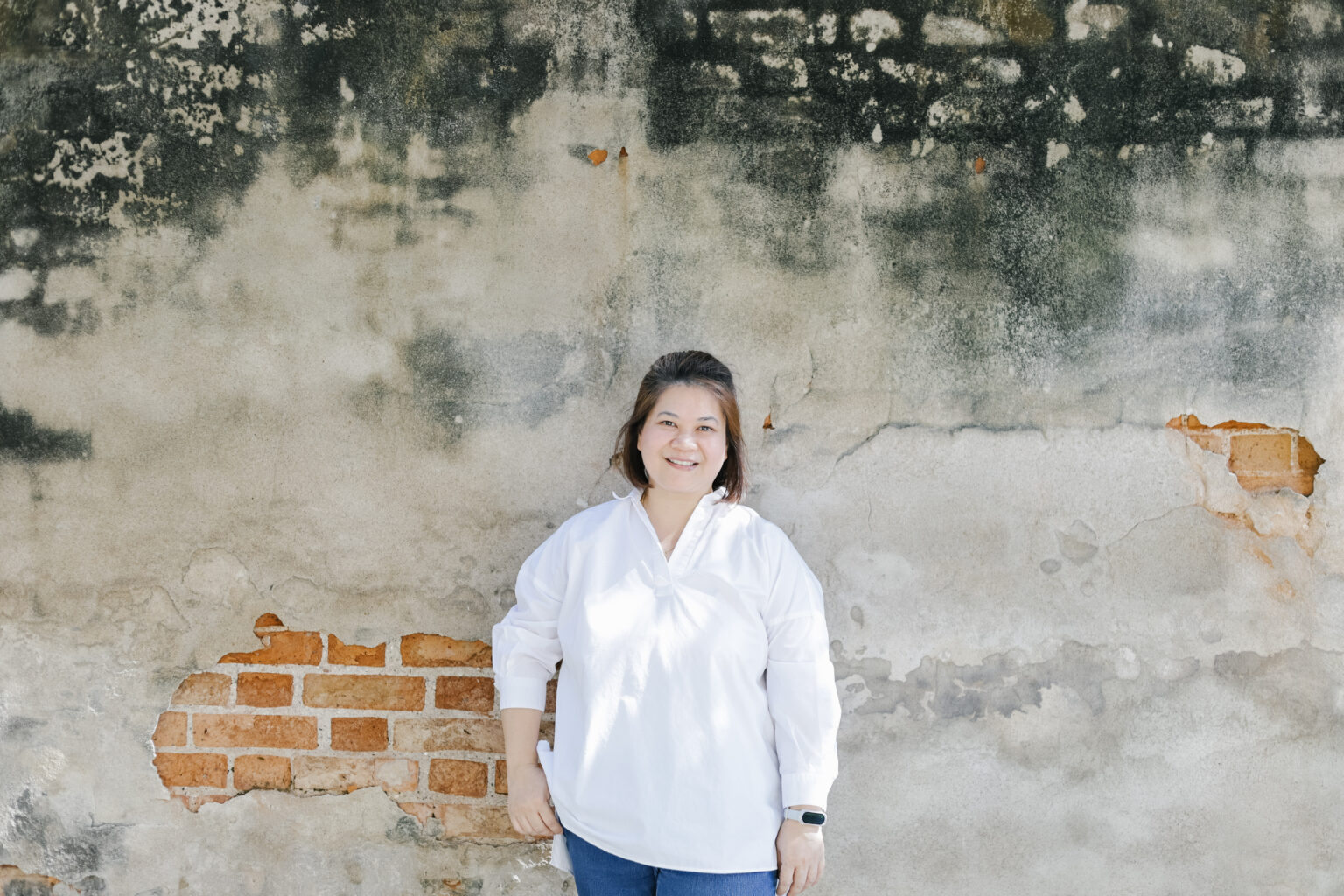
Dr. Sudarat Utharat
Director of the Project Toward UNESCO Lifelong Learning Awards for Sustainable-Based Development Management Plan of Chiang Mai Learning City
“Chiang Mai has a naturally rich learning environment. Beyond museums and learning centers, communities across the city share knowledge as part of daily life, creating a thriving learning ecosystem,” said Dr. Sudarat Utharat.
Sudarat leads the “Toward UNESCO Lifelong Learning Awards for Sustainable-Based Development Management Plan of Chiang Mai Learning City,” a project initiated by the Program Management Unit on Area-Based Development (PMUA), now in its second year. The project aims to position Chiang Mai for the UNESCO Lifelong Learning Award in 2024–2025.
Chiang Mai, a top tourist destination in Thailand and ASEAN, is known for its rich natural resources, history, and cultural traditions that create a unique learning environment. “This heritage attracts visitors worldwide and fosters continuous learning by passing knowledge through generations,” said Sudarat.
Recognized as a UNESCO Learning City in 2019, Chiang Mai has since fostered initiatives to ensure lifelong learning remains key to economic growth and improving quality of life. PMUA began supporting Chiang Mai in 2022, focusing on three main goals: ‘Well Fed,’ ‘Well-Informed,’ and ‘Well-Being,’ reflecting the city’s vision for stability, learning, and fulfilling lives. “Our role is to organize initiatives, collect data, and synthesize cultural assets to drive growth and improve lives,” Sudarat explained.
These cultural assets include traditions like Yi Peng and Songkran, as well as craftsmanship such as tung (ceremonial flags), lanterns, phang prathip (traditional clay lamps), and Lanna brassware from the Phuak Taem community. “The beauty of these traditions is that they are driven by the people, from crafting artifacts to organizing events, creating an environment of shared learning and collaboration,” said Sudarat. The challenge is communicating the value of this knowledge to a broader audience.
This year, the project expanded to communities along the Mae Kha Canal, working with Mae Kha City Lab to turn local practices into creative activities that enhance tourism and create new opportunities. These initiatives include City Walks, craft workshops, and native tree planting campaigns to expand green spaces.
“Chiang Mai is a global model for a learning city. We’re preparing to submit for the UNESCO award to showcase our city’s potential internationally. This recognition will encourage public participation in driving the local economy—whether through festivals, promoting traditional crafts, or preserving our cultural heritage,” Sudarat concluded. “Ultimately, our goal is to ensure Chiang Mai’s people are well-fed, well-informed, and well-being, with an active role in shaping their city’s future.”