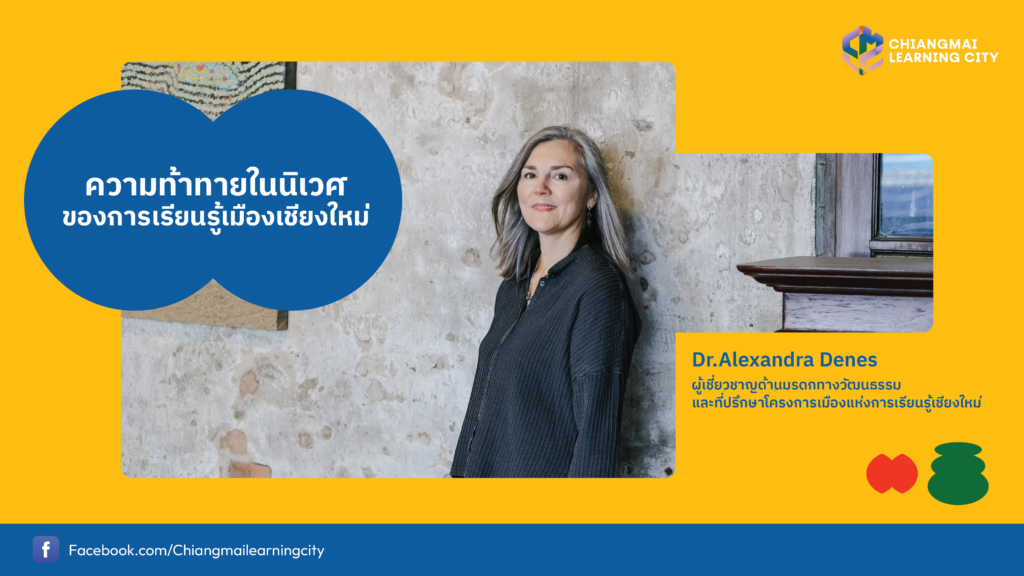
Challenges in Chiang Mai’s Learning Ecosystem
“The heart of the learning ecosystem lies in promoting equality and fostering collaboration across all dimensions,” said Dr. Alexandra Denes.
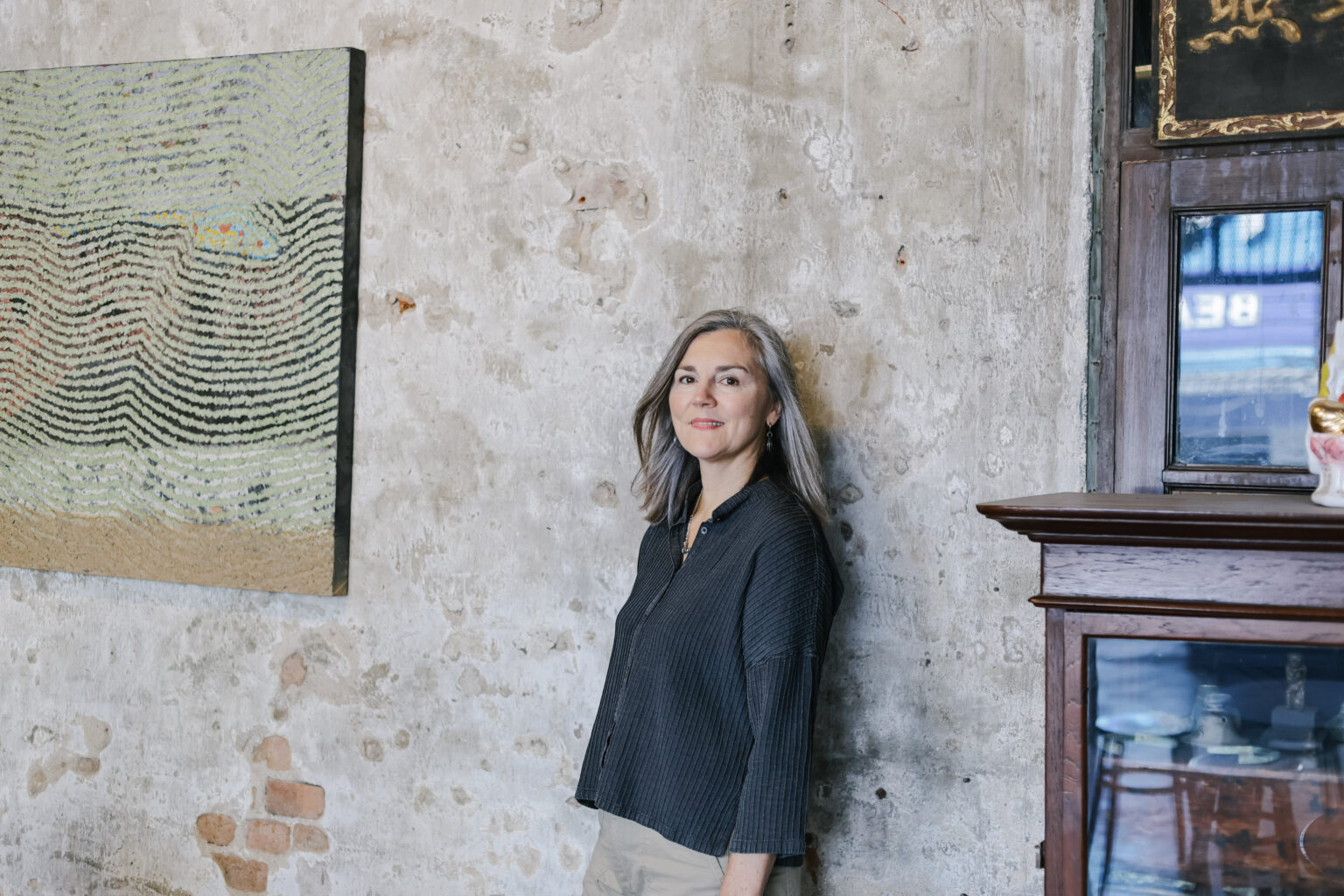
Dr. Alexandra Denes, a socio-cultural anthropologist, was a senior researcher at the Princess Maha Chakri Sirindhorn Anthropology Center (Public Organization), a cultural heritage management advisor for UNESCO in Southeast Asia, and a consultant for Chiang Mai’s World Heritage task force. She is now consulting on Chiang Mai’s bid for the UNESCO Learning City award.
For Denes, Chiang Mai is a hub of ethnic and cultural diversity, closely connected to nature and traditional ways of life. This uniqueness fosters a comprehensive learning ecosystem, supported by local organizations and resources that drive the city’s growth as a learning city.
However, in its pursuit of becoming a UNESCO Learning City, Chiang Mai faces challenges, especially in converting its cultural resources into tangible outcomes for its people.
“Chiang Mai has strong cultural assets, from educational institutions to activities reflecting Lanna culture. There are NGOs and funding sources to support these ecosystems, but we lack strong networking among organizations, and government policies to facilitate collaboration with the private sector remain unclear and rigid.
“Another issue is the absence of tangible evaluation methods. While we promote Lanna arts, culture, and non-formal learning, we cannot measure the impact of activities on participants’ knowledge, long-term potential, or their contribution to economic growth and the city’s development.
“Inclusivity is also a major challenge. We need to ensure participation from ethnic groups, migrants, marginalized communities, and people with disabilities. Despite organizing activities that celebrate diversity, we lack evaluation tools to measure the real impact of cultural activities on participants’ income and skill development. This hinders our ability to turn learning into sustainable city development.”
“Therefore, creating a collaborative platform among agencies—such as the municipality, schools, NGOs, and communities—is crucial. It will help achieve shared goals, streamline efforts, and enhance people’s potential, positioning Chiang Mai as a model for sustainable learning cities globally.”